Quilt
Burgoyne Surrounded quilt
Explore the full image, museum catalogue record and an original close reading.
This work in Pattern studies & Motif passages
Examine its pattern, process or motif.
- Follow an enclosure.A comparison of visible structures, not a claim that one of these objects inspired another.
An original close reading
How does repetition make a place?
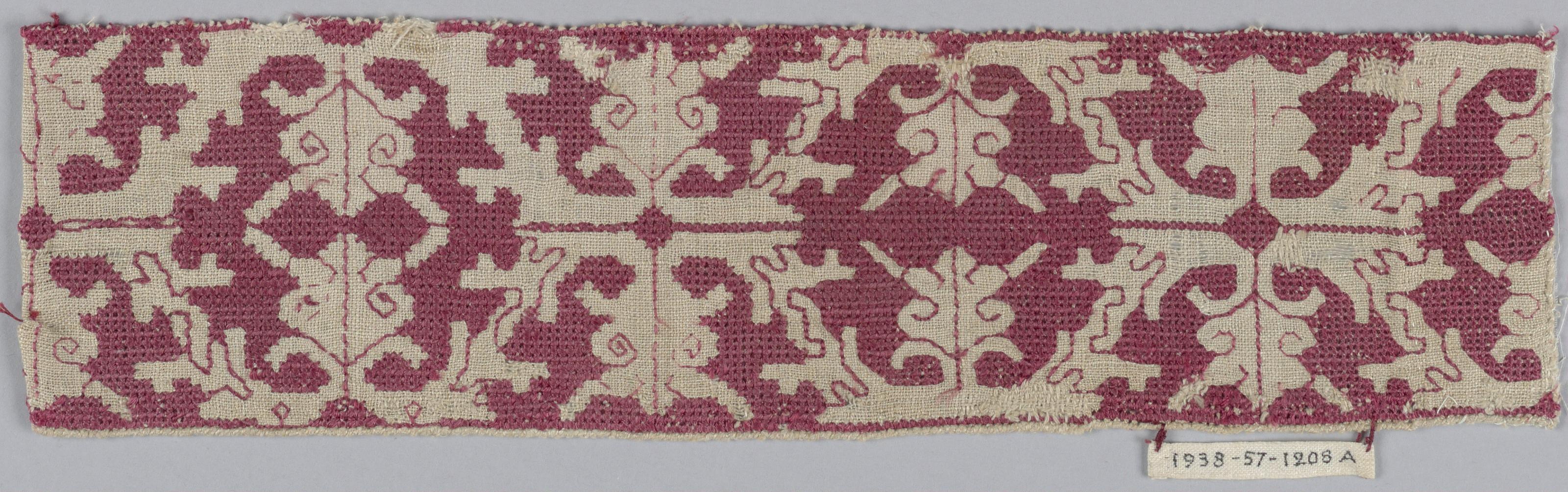
Small units join into larger squares, then into a field. The border holds the repeated pattern in place, giving the eye somewhere to return.
Look for the relationship between the red structure and the pale ground. Both participate in the pattern. The maker's name and date are also visible on the textile.
Catalogue facts are supplied by The Met. The reading above is an Artologium interpretation, not a statement of the maker’s intent.
Find this work in the exhibition →A record, with reasons
Ways into this work
Open a description to see its meaning and evidence, or follow it into the collection.
Catalogue knowledge
Normalized from the museum’s record.
QuiltObject type
A textile identified as a quilt.
Pattern alone does not establish quilt construction.
Normalized from the linked museum record; the original catalogue wording is retained.
Burgoyne Surrenders or Burgoyne Surrounded Quilt · Cotton
The Metropolitan Museum of Art
Reviewed 2026-10-16 · 2026-10-16.1
CottonMaterial
Cotton recorded in the object's medium.
A depicted material or colour resemblance is a separate assertion.
Normalized from the linked museum record; the original catalogue wording is retained.
Cotton
The Metropolitan Museum of Art
Reviewed 2026-10-16 · 2026-10-16.1
Visual observation
Observations of the displayed image.
RepetitionComposition
A visible recurrence of marks, units, or forms within the image.
This observation belongs to the selected image; it does not establish the maker's intention.
Red and pale units form a repeated grid across the full textile view.
Artologium editorial study · developed with AI assistance
Reviewed 2026-10-16 · 2026-10-16.1
GridComposition
A visibly organized field of intersecting rows or repeated cells.
This observation belongs to the selected image; it does not establish the maker's intention.
Red and pale units form a repeated grid across the full textile view.
Artologium editorial study · developed with AI assistance
Reviewed 2026-10-16 · 2026-10-16.1
Following a lineComposition
A line or edge that can be followed through the selected image.
This observation belongs to the selected image; it does not establish the maker's intention.
Red and pale units form a repeated grid across the full textile view.
Artologium editorial study · developed with AI assistance
Reviewed 2026-10-16 · 2026-10-16.1
RedColour
Red is a prominent visible colour in the selected digital image.
A visual observation, not a measured pigment identification or a calibrated physical colour.
Red and pale units form a repeated grid across the full textile view.
Artologium editorial study · developed with AI assistance
Reviewed 2026-10-16 · 2026-10-16.1
Artologium reading
Authored connections, open to interpretation.
RememberCuratorial reading
Recording, remembrance, repetition as memory, and surviving traces.
Age alone is insufficient; the reading must explain what is recorded or remembered.
The repeated units and recorded maker's name invite a reading about a textile carrying memory.
Artologium editorial study · developed with AI assistance
Reviewed 2026-10-16 · 2026-10-16.1
BelongCuratorial reading
Attachment, shared practice, and a place within a larger structure.
A cultural label alone does not establish anyone's sense of belonging.
Small textile units become a larger organized field.
Artologium editorial study · developed with AI assistance
Reviewed 2026-10-16 · 2026-10-16.1
These descriptions belong to this object and its selected image. Unlisted features may be unassessed. Editorial observations and readings were developed with AI assistance; they do not establish the maker’s intent.
Keep something. Change the setting.
Follow a connection
A shared description opens a comparison. It does not establish historical influence.
Stay with this work
Let a detail lead you somewhere.
Notice what repeats ↗
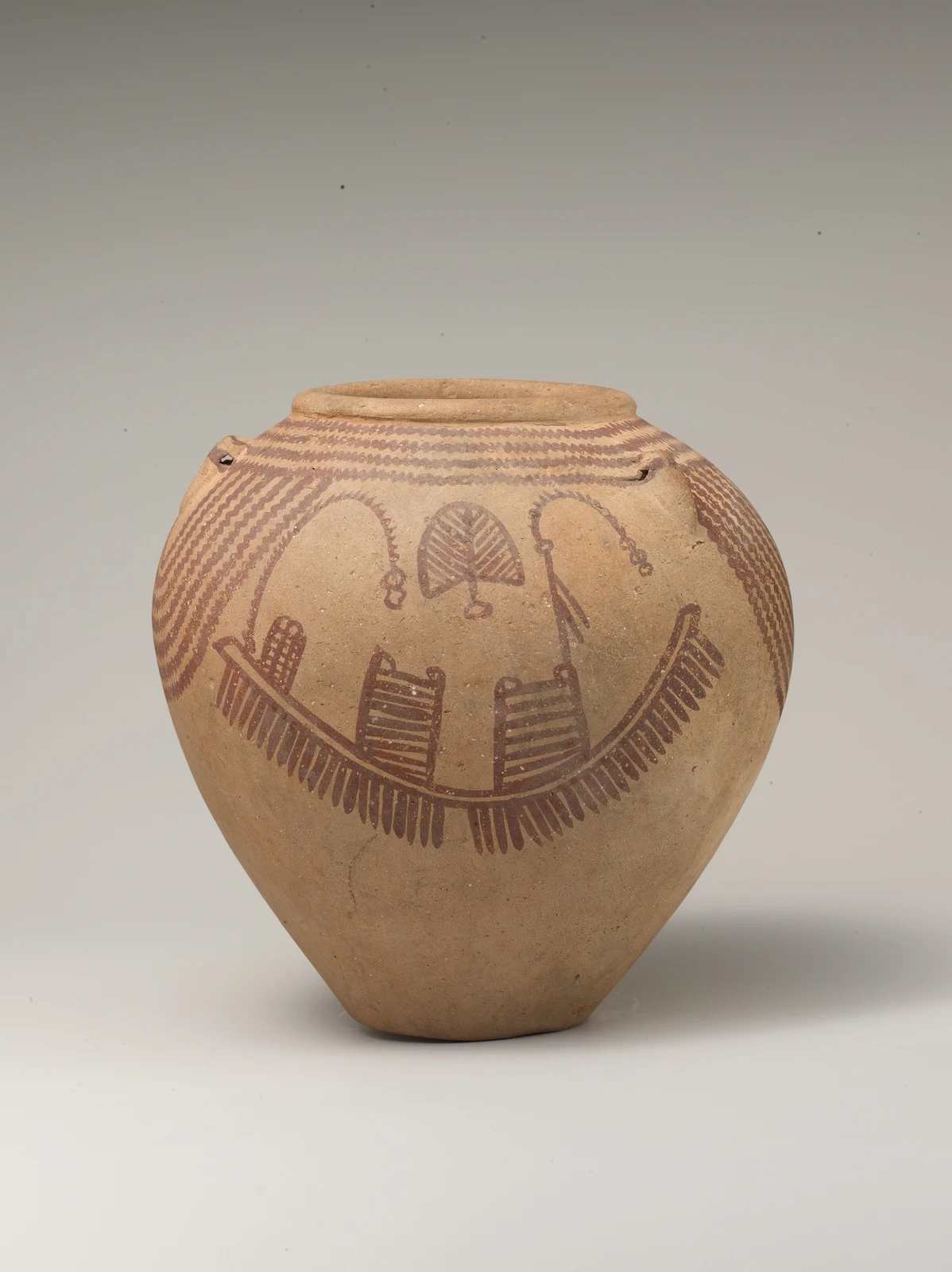
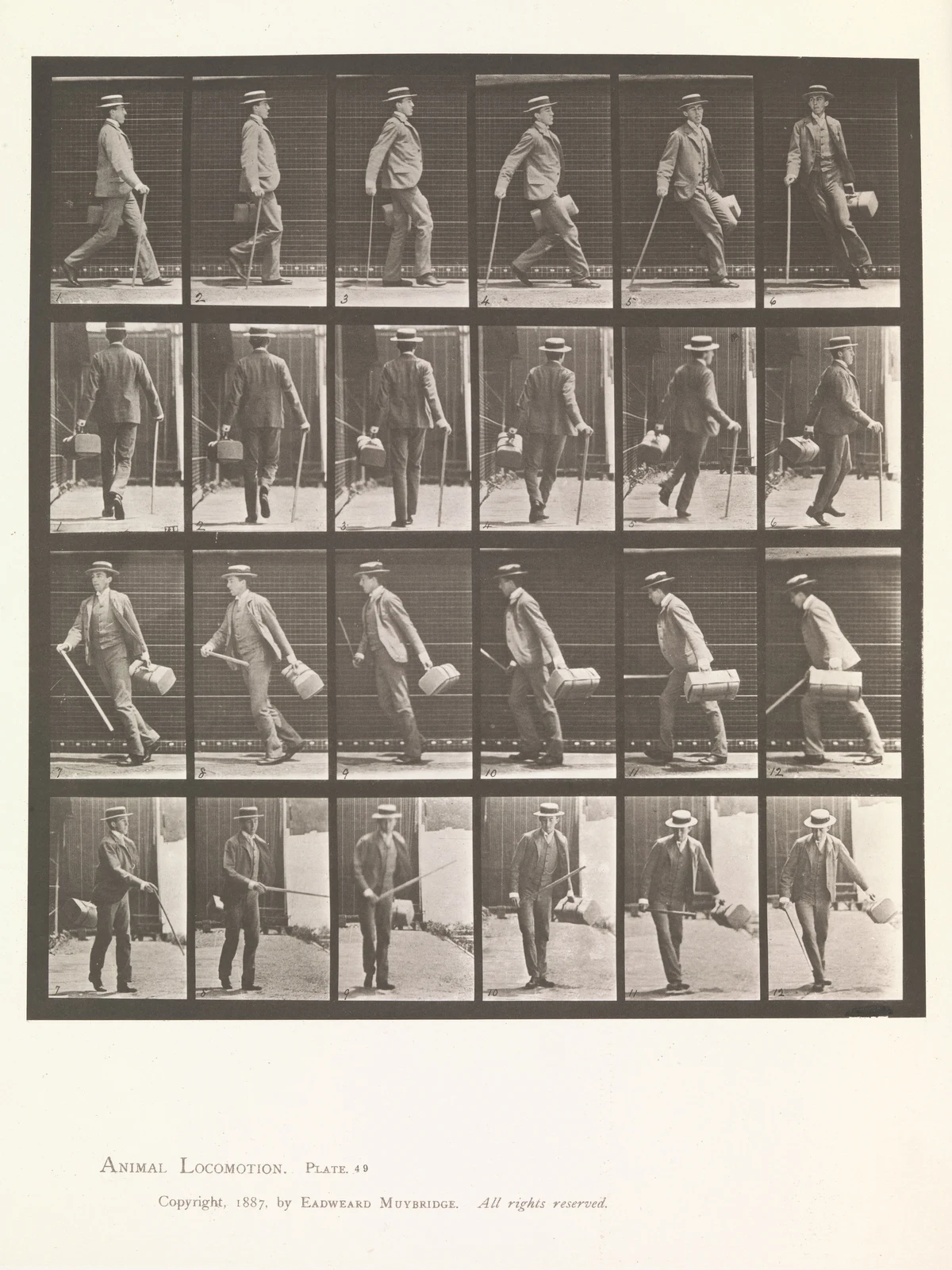
Repetition can circle a ceramic vessel, structure a patchwork quilt, break motion into frames, or continue across the mended crack of a lustre tile. Compare how six objects across four collections use recurrence.
Keep one thing. Change another. ↗
Choose a shared description and inspect the differences the catalogue can support.