Guided discovery path
Follow a line
What happens when you trace a single contour, burin groove, or graphite stroke from edge to edge?
6 works across collections
Cooper Hewitt, Smithsonian Design Museum / New York
An engraved copper plate presses a narrative scene onto plain-weave cotton. A graphite sheet works out the proportions and lion-paw feet of a writing table. Embroidered silk threads build a repeating border on linen. Here, design is visible in the decisions before and during making.
Browse 100 selected works →Have five minutes? / An Artologium looking sequence
Three works, three pauses. These questions invite close looking; they do not propose a historical connection between the objects.
Dense parallel hatching—typical of copper-plate engraving on paper—meets the warp and weft of plain-weave cotton, holding both architectural framing and small narrative gestures.
01 / Press
Look closely at the fine hatching inside the foliage and figures. How does an engraved metal plate behave differently when pressed into cloth?
Look closely & read the record →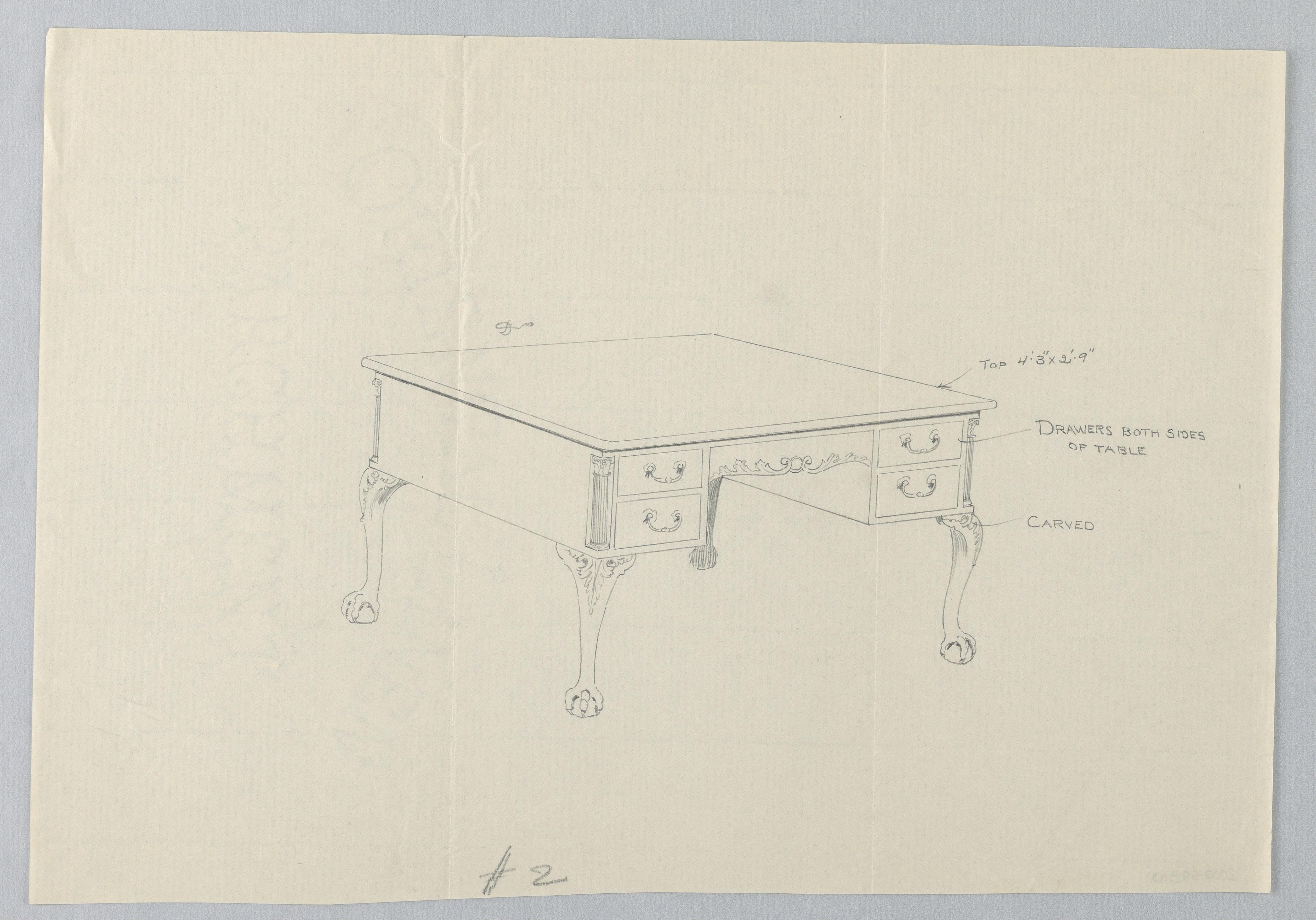
02 / Measure
Compare the full table elevation with the enlarged detail of the foot beside it. What does a working drawing need to show a maker?
Look closely & read the record →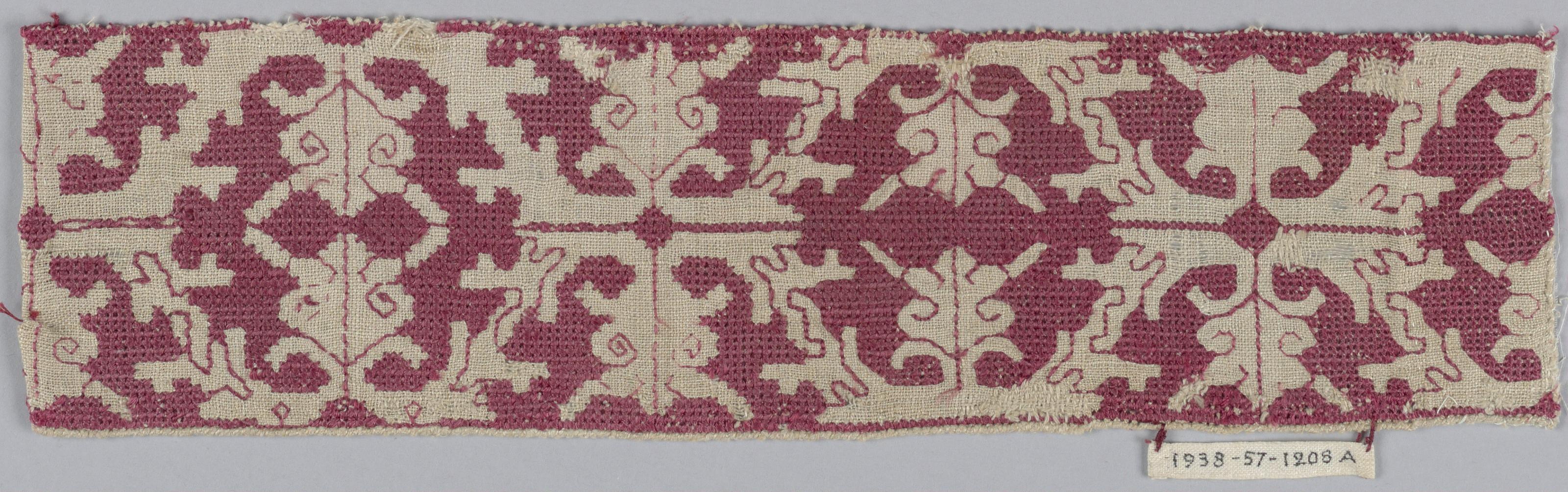
03 / Follow
Follow the repeating floral scroll from left to right. How does the grid of the linen ground steady the curved silk stitching?
Look closely & read the record →Cross-collection routes & claim boundaries
Current Afterlives dossiers cite specific records from The Met, Cleveland, and Chicago. Works from Cooper Hewitt participate directly in our guided discovery paths and cross-collection record comparisons without implying unverified historical transmission.
Guided discovery path
What happens when you trace a single contour, burin groove, or graphite stroke from edge to edge?
6 works across collections
Guided discovery path
How do repeated marks turn into rhythm, pattern, or time?
6 works across collections
Guided discovery path
What changes when blue is printed from wood, exposed by light, dyed into cotton, or brushed in oil?
5 works across collections
What is here / 100 selected works
Our 100-work selection draws on Cooper Hewitt’s open-access holdings across drawings, prints, textiles, ceramics and decorative arts. Catalogue terms distinguish the material of an object from the technique used to mark it.
Every selected image links to its museum record and CC0 dedication. The image’s source control includes its accession, original file and credit.