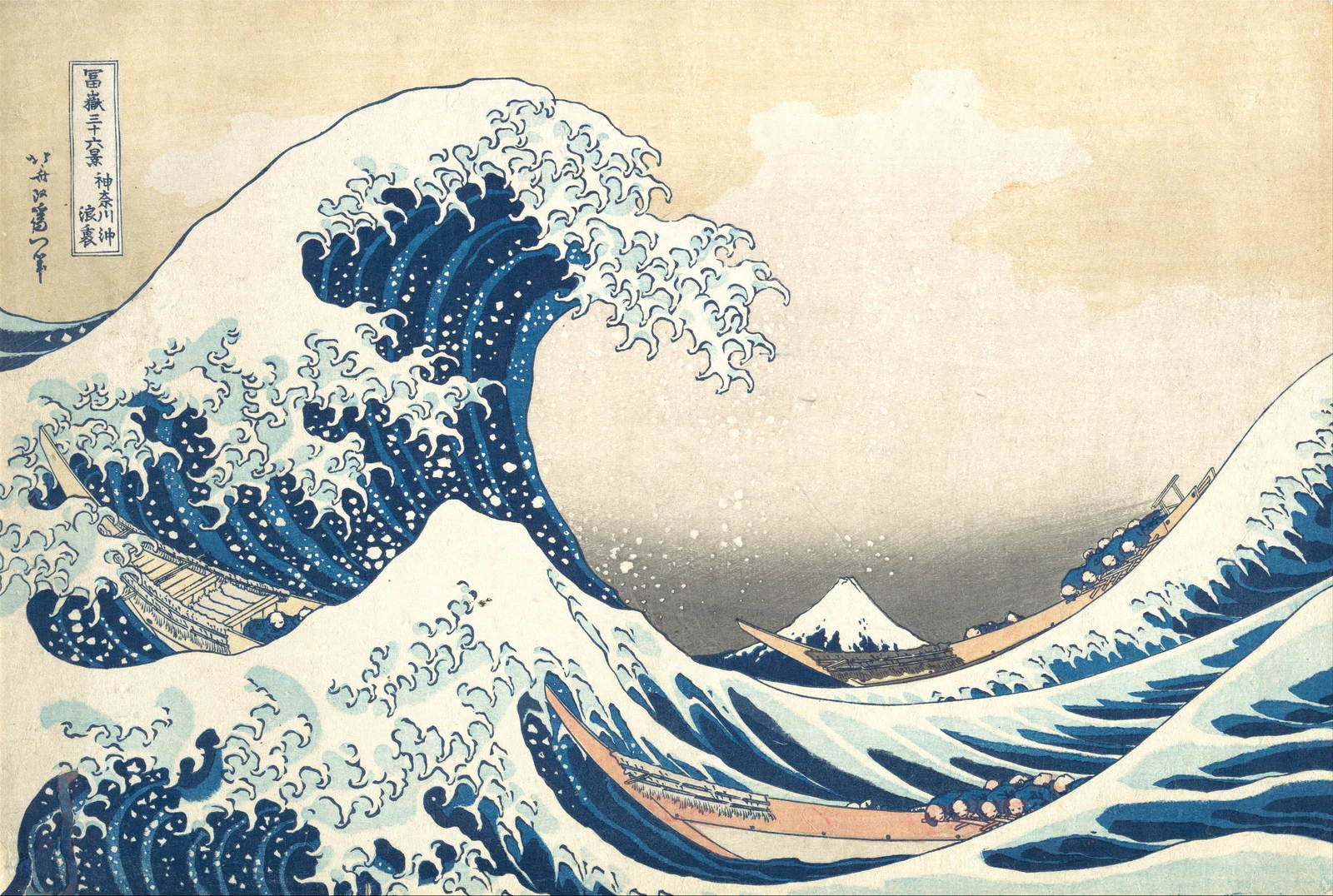
Textile
Dites Merci
Meillier et Cie. ca. 1798. Medium: cotton Technique: printed by engraved copper plate on plain weave. Explore the catalogue record, image rights and documented connections from Cooper Hewitt, Smithsonian Design Museum.
A record, with reasons
Ways into this work
Open a description to see its meaning and evidence, or follow it into the collection.
Catalogue knowledge
Normalized from the museum’s record.
TextileObject type
An object classified as a textile.
A picture of cloth is not a textile object.
Cooper Hewitt, Smithsonian Design Museum supplies “Textile” in its object type field. This label was normalized by the documented import rule.
Textile
Catalogue: Cooper Hewitt, Smithsonian Design Museum. Automated source-field normalization; no independent visual interpretation.
Source normalization checked 2026-10-21 · 2026-10-20.1
CottonMaterial
Cotton recorded in the object's medium.
A depicted material or colour resemblance is a separate assertion.
Cooper Hewitt, Smithsonian Design Museum supplies “Medium: cotton” in its medium/materials field. This label was normalized by the documented import rule.
Medium: cotton
Catalogue: Cooper Hewitt, Smithsonian Design Museum. Automated source-field normalization; no independent visual interpretation.
Source normalization checked 2026-10-21 · 2026-10-20.1
Visual observation
Observations of the displayed image.
BlueColour
Blue is a prominent visible colour in the selected digital image.
A visual observation, not a measured pigment identification or a calibrated physical colour.
Visual observation of the blue passages within the block-printed cotton sample.
Visual observation by Artologium on the selected image asset.
Reviewed 2026-10-24 · 2026-10-20.1
PlantsSubject
Visible plant forms in the image.
Subject identification does not establish symbolic meaning or historical influence.
Visible botanical motifs arranged in a repeating textile repeat.
Visual observation by Artologium on the selected image asset.
Reviewed 2026-10-24 · 2026-10-20.1
RepetitionComposition
A visible recurrence of marks, units, or forms within the image.
This observation belongs to the selected image; it does not establish the maker's intention.
The textile sample shows how a single floral unit builds an all-over surface rhythm.
Visual observation by Artologium on the selected image asset.
Reviewed 2026-10-24 · 2026-10-20.1
Artologium reading
Authored connections, open to interpretation.
Not yet assessed.
These descriptions belong to this object and its selected image. Unlisted features may be unassessed. Editorial observations and readings were developed with AI assistance; they do not establish the maker’s intent.
Keep something. Change the setting.
Follow a connection
A shared description opens a comparison. It does not establish historical influence.
Stay with this work
Let a detail lead you somewhere.
How blue behaves ↗
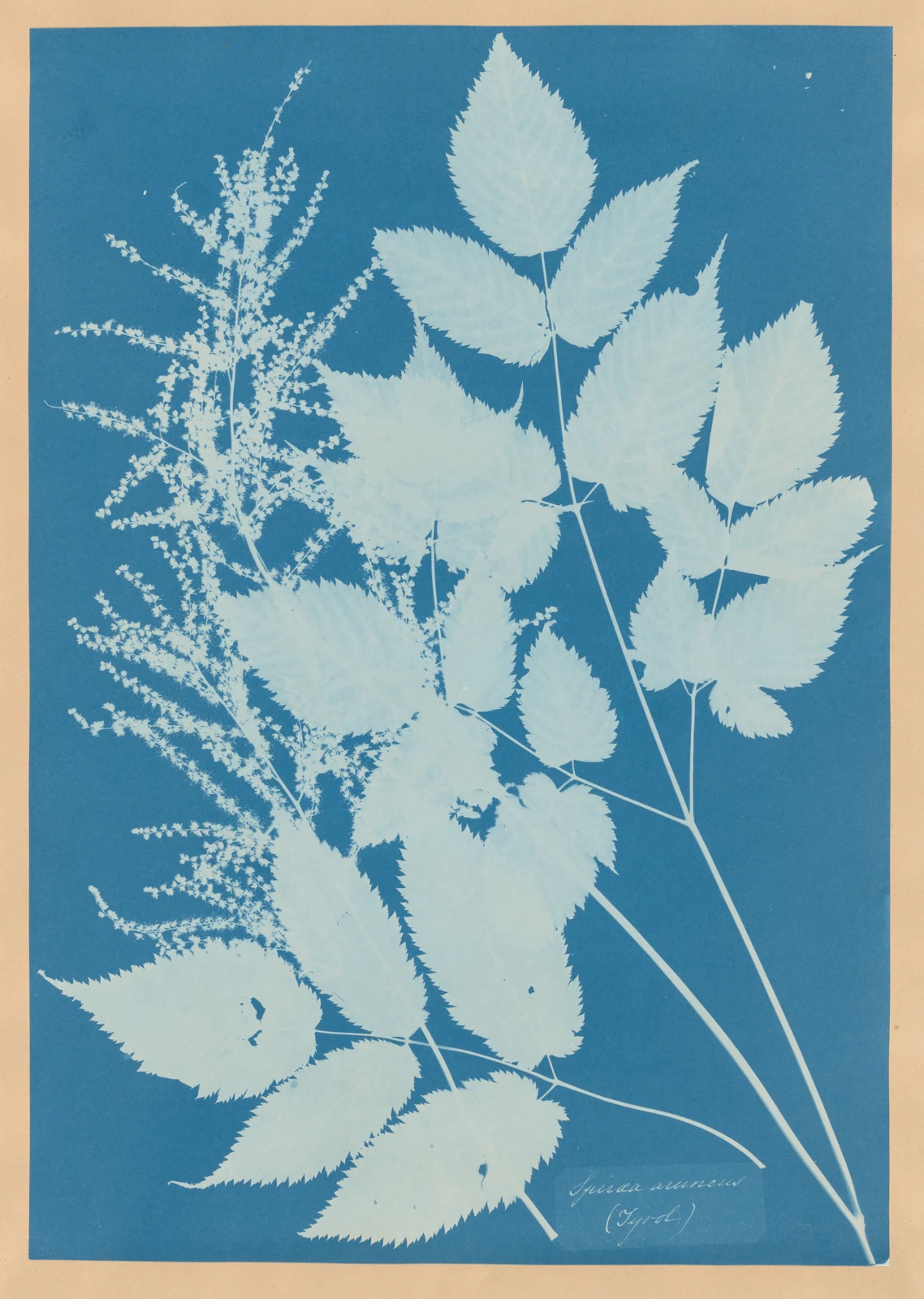
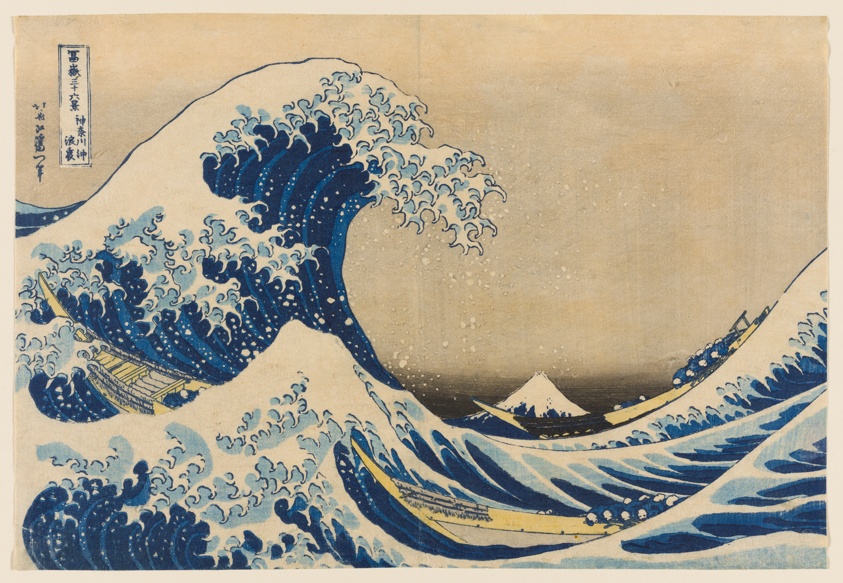
These five works across four museums share a visual colour family while differing in material, process, and date. Visual blue stays distinct from a claim that the same pigment was used.
Botanical obsessions ↗
A stem or blossom asks for a different kind of attention in every medium. Move across five collections to compare how artists record, stylize, or abstract living plant forms.
Keep one thing. Change another. ↗
Choose a shared description and inspect the differences the catalogue can support.